History of Literature


The role of literature in human life
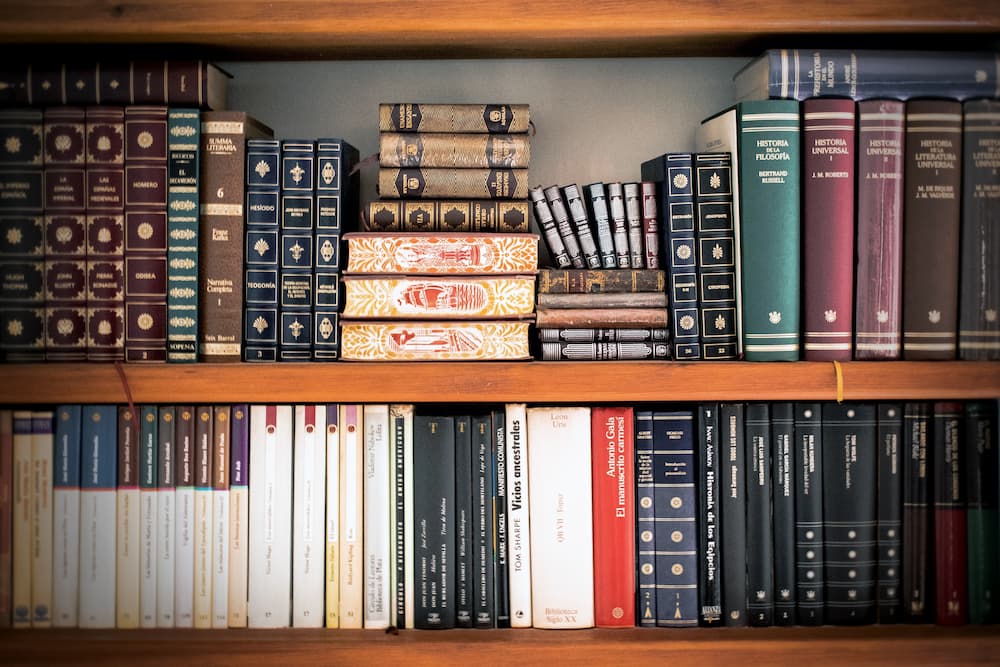
The role of literature in human life is difficult to assess. Books have educated more than one generation of people. Unfortunately, in modern society the role of literature is underestimated. There is a category of people who say that literature has outlived its usefulness as an art form, it has been replaced by cinema and television. But there remains a category of people who recognize and appreciate the importance of literature in our lives.
As we know, books perform two main functions: informational and aesthetic. From generation to generation it is with the help of books passed experience gained over the centuries, books stored knowledge, imprinted the discoveries. Books were a rostrum for the proclamation of new ideas and worldviews. In difficult situations, people turn to books and draw wisdom, strength and inspiration from them. After all, a book is universal, in which a person can find an answer to any question of interest.

Realizing its aesthetic function, literature teaches beauty, kindness, and shapes moral principles. Books form not only moral ideals, but also ideals of appearance and behavior. The heroines and heroes of books become role models. Their images and thoughts are taken as a basis for their own behavior. Therefore, it is so important, during the formation of the person to refer to the right books, which will give the right guidelines.
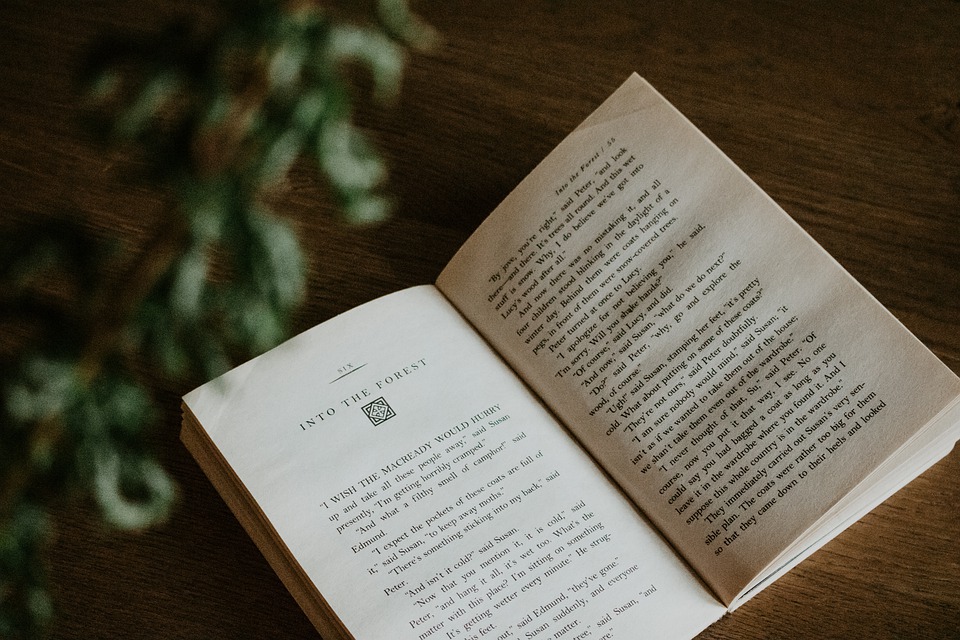
For example, the images of the most beautiful heroines are the embodiment of femininity, tenderness and natural beauty. These results will help to achieve quality shampoo, face cream and cosmetics for tanning. Ecological cosmetics, offered by a natural cosmetics store, will help you create a perfect look, but in order to develop your inner world you need to work more intensively on yourself. The model of masculinity at all times were strong heroes-fighters, who were guided by bright ideas in the name of justice and love.
Thus, the role of literature at all times and in modern times is to help man to comprehend himself and the world around him, to awaken in him a desire for truth and happiness, to teach respect for the past, for knowledge and for the principles of morality handed down from generation to generation. Whether or not to take advantage of the opportunity offered by books is a personal choice for each individual.
Latest Reviews
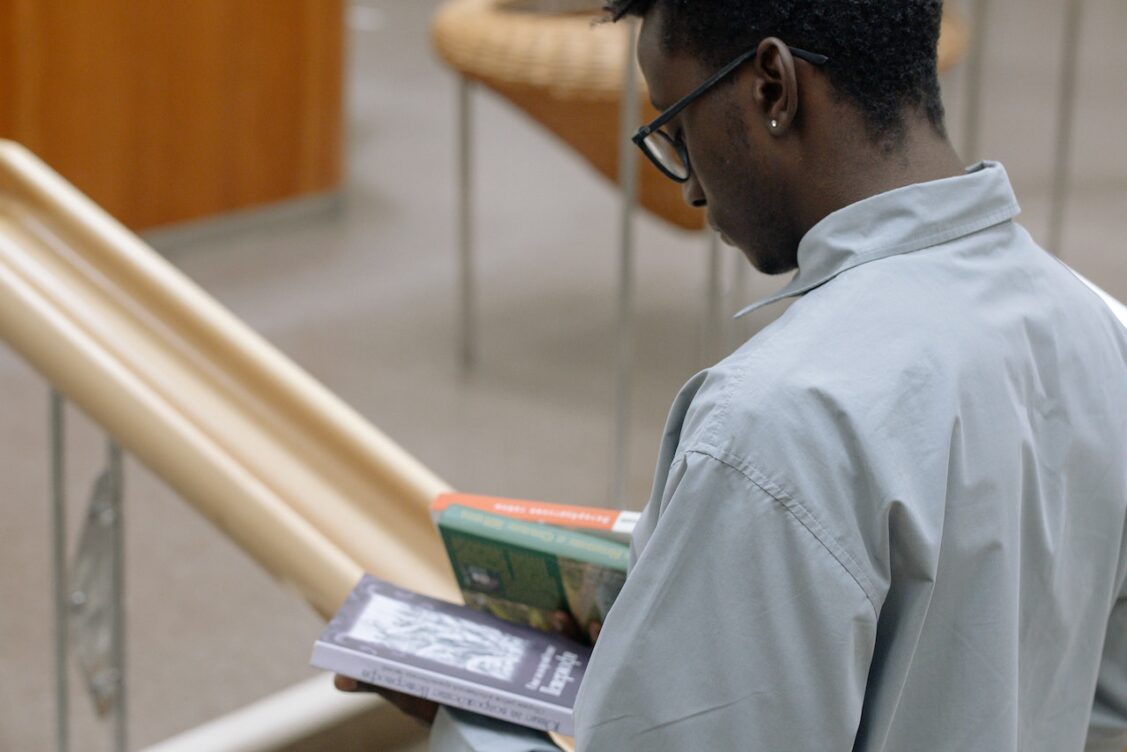

- The Enduring Value of Literature in Modern Society
 Literature has always been a fundamental aspect of cultural expression and intellectual discourse, reflecting society, providing insights into the human psyche, and nurturing empathy among its readers. Even in our fast-paced, technology-driven world, the significance of literature is unwavering, perhaps even more essential. This discussion explores the diverse roles literature plays in today’s world, emphasizing
 - Book Recommendations for Every Season: Summer, Fall, Winter, and Spring Reads
 Books have a unique ability to transport us to different worlds, evoke emotions, and create lasting memories. Depending on the season, our reading preferences often shift, reflecting the atmosphere and mood of the time of year. In this article, we will explore book recommendations tailored to each season, ensuring that you have the perfect literary
Partnerships Proud To Be a Part Of